It is a question many travellers hesitate to ask, yet it is a perfectly fair one: finding yourself a few metres from a lion or an elephant is impressive. So, is a safari dangerous? With the right people around you, it is not, as long as you follow a few simple rules that your guide will go through on the very first day. At The Wild Agency, our travellers' safety comes first, and it goes hand in hand with respect for the animals.
On safari, the animals are rarely the real risk: what matters is following the rules and the experience of your guide.
Are animals dangerous on safari?
Wild animals remain wild, but accidents are extremely rare when you follow the guidelines. Most risks come from careless behaviour rather than from the animals themselves.
In the vehicle
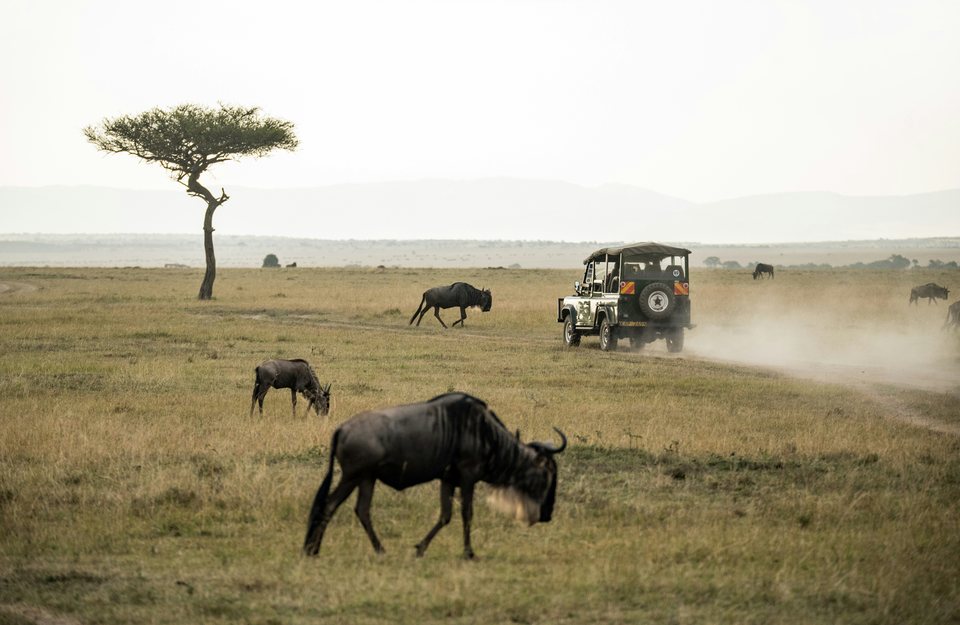
The animals in the parks see vehicles every day and do not perceive them as a threat, as long as nobody gets out or leans outside. That is why you stay seated, speak quietly and never reach out towards an animal. Your guide knows how to read their behaviour: they will spot an irritated elephant or a lioness protecting her cubs long before you do, and back away to give them space.
On foot
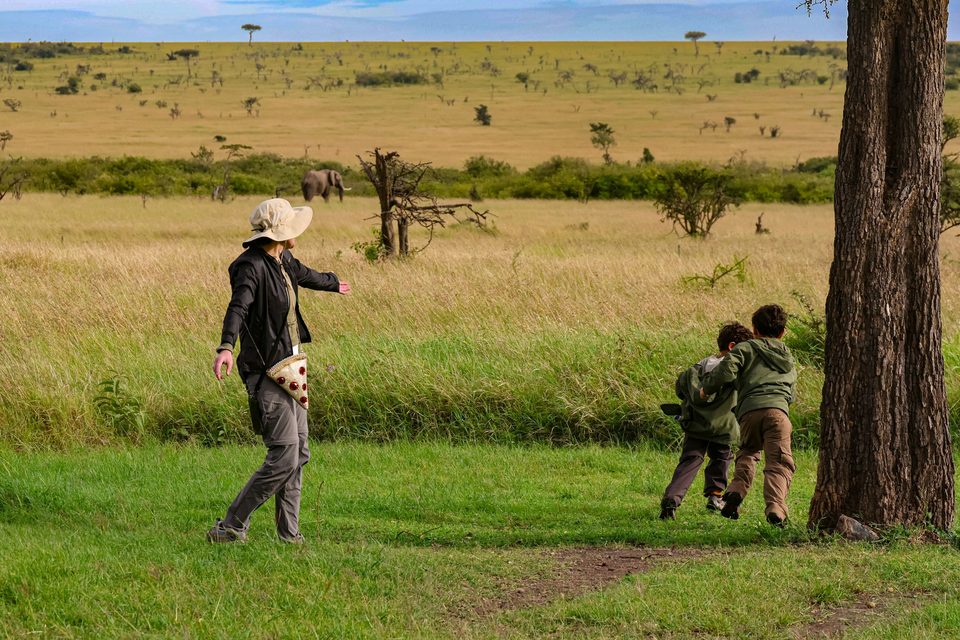
Walking safaris always take place with an experienced guide, sometimes accompanied by a ranger, and only in areas where they are allowed. You walk in single file, without a sound, and follow the guide's instructions to the letter. It is a wonderful experience that shows you the savannah in a whole new way, but it is never something to improvise.
At the lodge
Many lodges stand in the middle of the wilderness, with no fences: a hippo may graze near the rooms, or an elephant may wander through camp. Once night falls, a member of staff will therefore walk you back to your room, and it is best not to wander around alone in the dark.
| Situation | What to do |
|---|---|
| On a game drive | Stay seated, never get out or put your arm outside |
| Faced with an agitated animal | Stay quiet and let the guide move away |
| On a walking safari | Walk in single file behind the guide and follow their instructions |
| At the lodge, in the evening | Ask to be walked back to your room |
| With gorillas or chimpanzees | Keep your distance and do not go if you are ill |
What are the other risks of a safari?
Your health
East Africa is a malaria area, and a yellow fever certificate is required in some cases, notably for Uganda. Visit a travel clinic 4 to 6 weeks before you leave, and protect yourself from mosquito bites from late afternoon onwards. The sun is also strong near the equator, so a hat, sunscreen and plenty of water are essential.
 Related readingVisas, vaccinations, malaria: safari travel requirementsRead the article
The roads
Distances between parks are often long, and road conditions vary a great deal. That is one of the reasons we work with experienced driver-guides and, for the longest journeys, favour internal flights by light aircraft, which also save precious hours.
Cities and safety
As in any big city, it pays to stay alert in Nairobi, Arusha or Kampala, especially at night. Before you leave, read your government's travel advice, which sets out the situation in each country and any areas to avoid. Be wary of online scams too: booking through an agency you can trust saves a great deal of trouble.
 Related readingFirst safari: how to plan itRead the article
A safari is not a risky adventure: it is a well-guided journey where a few common-sense rules let you enjoy unforgettable encounters in complete peace of mind. The Wild Agency looks after you before you leave and on the ground, with guides who know the terrain and the animals inside out.
Frequently asked questions about safari safety
Is a safari dangerous for children?
No, as long as you choose lodges that welcome families and travel at a suitable pace. Some activities, such as gorilla trekking, are only open to those aged 15 and over.
Can you get out of the vehicle on safari?
No, except at designated spots or on a walking safari led by a guide. The animals tolerate the vehicle, not a person on foot.
Do lions attack safari vehicles?
No. Lions do not see the vehicle as prey, as long as passengers stay seated inside and the guide keeps a respectful distance.
Do you need vaccinations for a safari?
Yes, depending on your itinerary. A travel clinic will advise you, in particular on yellow fever and malaria prevention.
Does The Wild Agency look after its travellers' safety?
Yes. The Wild Agency works with experienced guides and trusted lodges, and sends you all the guidelines and travel requirements you need before you leave.