Coming home from a safari with images that live up to what you experienced is what almost every traveller hopes for. But faced with so many bodies and lenses, it is easy to wonder what really matters. Which camera for a safari, which lens should you bring, and do you really need heavy gear? At The Wild Agency, photography is part of the way we see the savannah, and here is our advice, from a simple smartphone to a long telephoto lens.
On safari, the best camera is the one you know how to use, ready to shoot the moment a scene unfolds.
Which camera gear should you take on safari?
The camera body
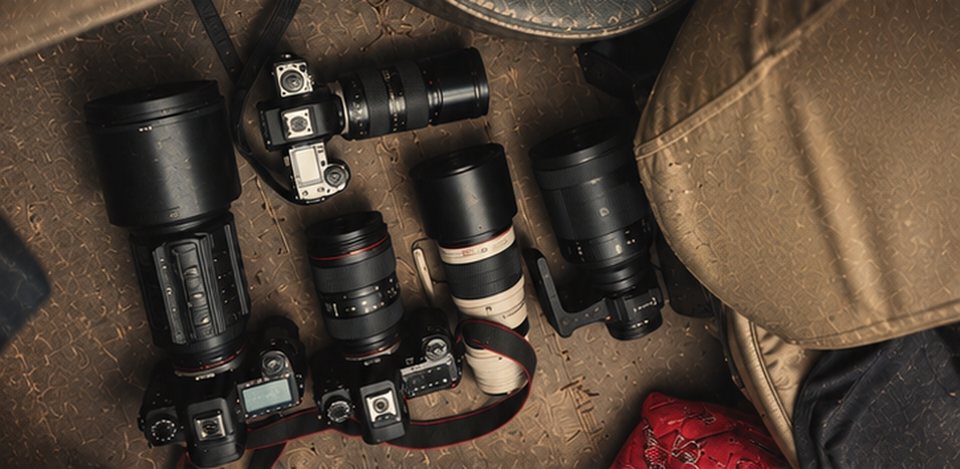
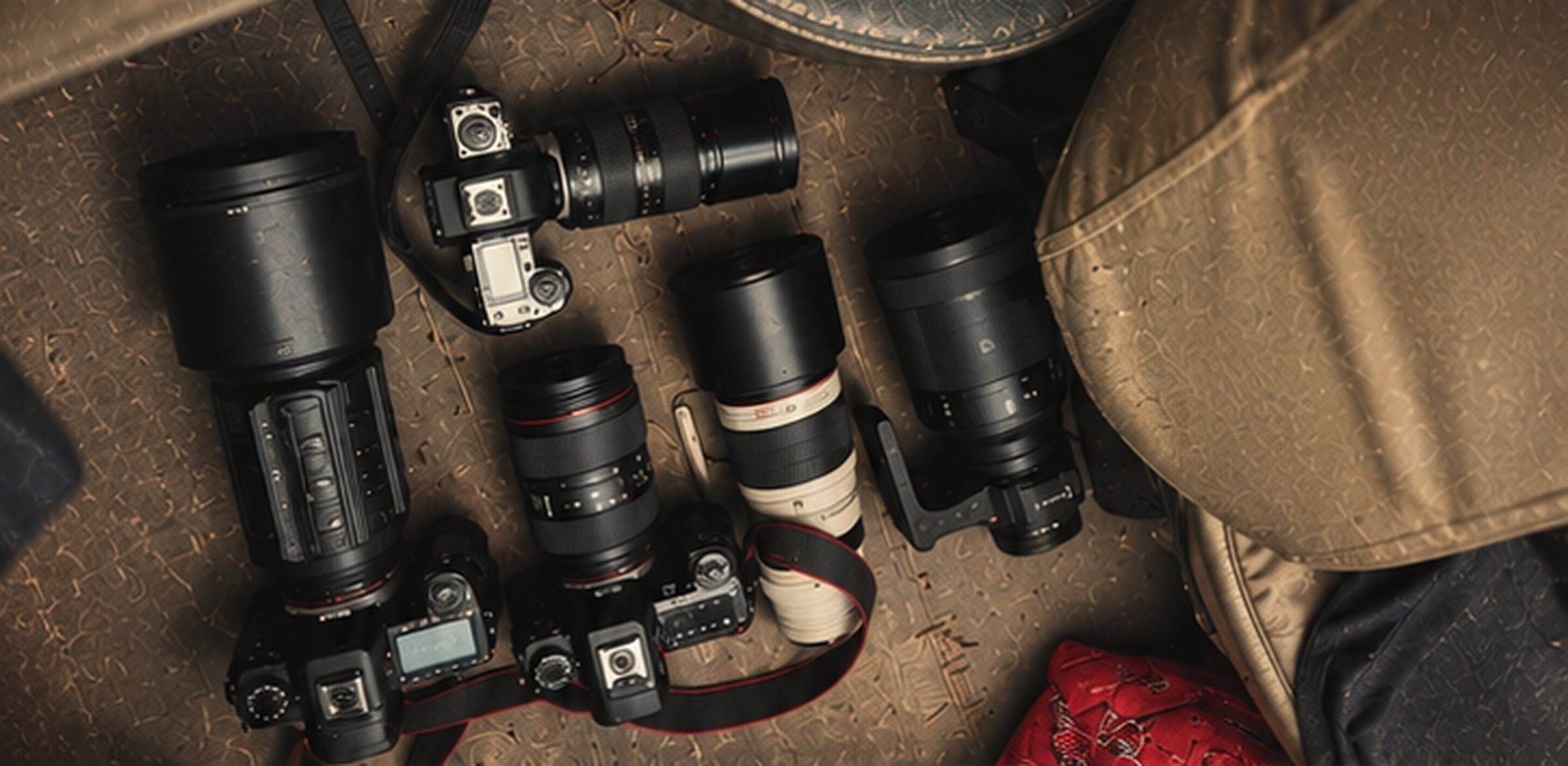
A mirrorless or DSLR camera lets you change lenses and reacts quickly, which matters when an animal gives you just a second. There is no need to buy the most expensive model, though: a camera you know well is better than a top-of-the-range one whose settings you are discovering on the spot. If you can, practise for a few weeks before you leave.
The telephoto lens, the essential piece
Animals do not always come close to the vehicle, and you never get out to approach them. That is why the lens matters more than the body: a zoom reaching 300, 400 or even 600 mm lets you photograph a leopard in its tree or a distant lioness without disturbing them. Versatile zooms such as 100-400 mm or 150-600 mm lenses are the most practical on safari.
A shorter lens
Also keep a shorter lens for landscapes, sunrises and animals passing very close, such as an elephant a few metres from the vehicle. A standard zoom does the job perfectly.
What about a smartphone?
If you simply want to take photos with your phone, that is absolutely fine: it is more than enough for memories, landscapes and life at the lodge. But for more polished photos, you need a proper zoom and a good lens, because a smartphone quickly reaches its limits once an animal moves further away.
| Gear | Who is it for? | Strengths | Limits |
|---|---|---|---|
| Mirrorless or DSLR with a telephoto lens | Photography enthusiasts | Quality, speed, long focal lengths | Weight and budget |
| Smartphone | Holiday memories | Always in your pocket | Limited zoom for wildlife |
Which accessories should you bring?
A bean bag
For photography enthusiasts, this is the essential accessory. Resting on the window ledge or roof of the vehicle, this small bag filled with seeds or beads steadies your telephoto lens and prevents camera shake, far better than a tripod, which is impractical in a vehicle. You can pack it empty and fill it with rice or beans once you arrive, to travel light.
Batteries, cards and charger
Bring at least 2 batteries and several memory cards: a single day on safari can produce hundreds of images. In some lodges, electricity is solar and only available at certain times, so charge up whenever you can, with the right plug adapter for the country.
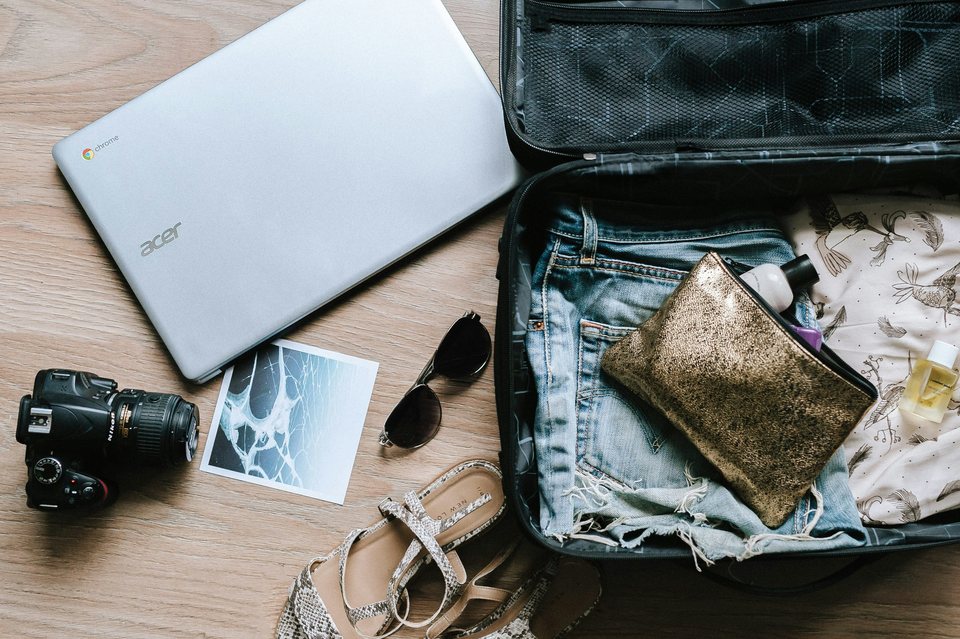 Related readingWhat to pack for a safariRead the article
Protecting your gear from dust
Tracks are dusty, especially in the dry season. A soft bag that closes well, a cloth and a blower are enough to protect your gear. Avoid changing lenses while driving, when the dust is flying.
Plenty of patience
This is probably a safari photographer's best accessory. An animal waking up, the light changing, a glance towards the lens: the most beautiful images often require waiting, sometimes for a long time, without forcing anything.
Travelling light
The small planes that link the parks often limit luggage to 15 kg per person, hand luggage included. Choose a soft camera bag, and keep your gear with you rather than in the hold.
With primates
On a gorilla or chimpanzee trek, flash is forbidden and the light is often dim under the trees. A fast lens and a camera body that handles high ISO well then make all the difference.
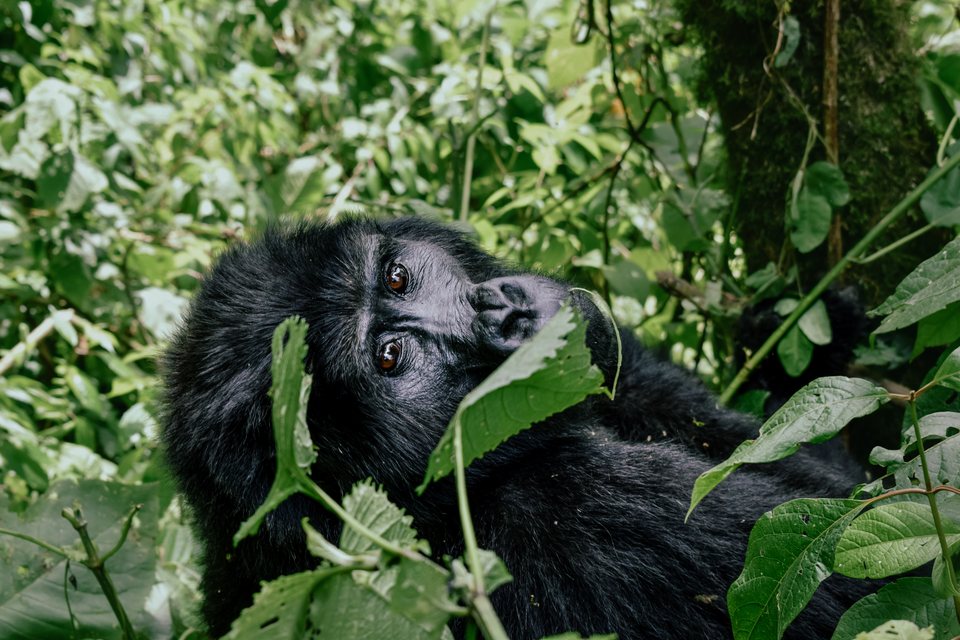 Related readingGorilla trekking: Uganda or Rwanda?Read the article
Whether you travel with a smartphone or a telephoto lens, a safari offers unforgettable images as long as you take your time. The Wild Agency helps you choose a pace and guides who are attentive to the light and the animals, so your photos truly tell the story of your trip.
Frequently asked questions about cameras on safari
Which lens should you choose for a safari?
A zoom reaching at least 300 or 400 mm, such as a 100-400 mm or 150-600 mm, alongside a shorter lens for landscapes.
Is a smartphone enough for a safari?
For memories and landscapes, yes. For distant animals, its zoom quickly reaches its limits.
Do you need a professional camera for a safari?
No. A camera you know how to use is better than high-end gear you are discovering on the spot.
Can you use flash on safari?
It is best avoided with wildlife, and it is forbidden on gorilla and chimpanzee treks.
Does The Wild Agency advise travelling photographers?
Yes. The Wild Agency adapts the pace of the safari and the choice of guides to travellers who love photography.