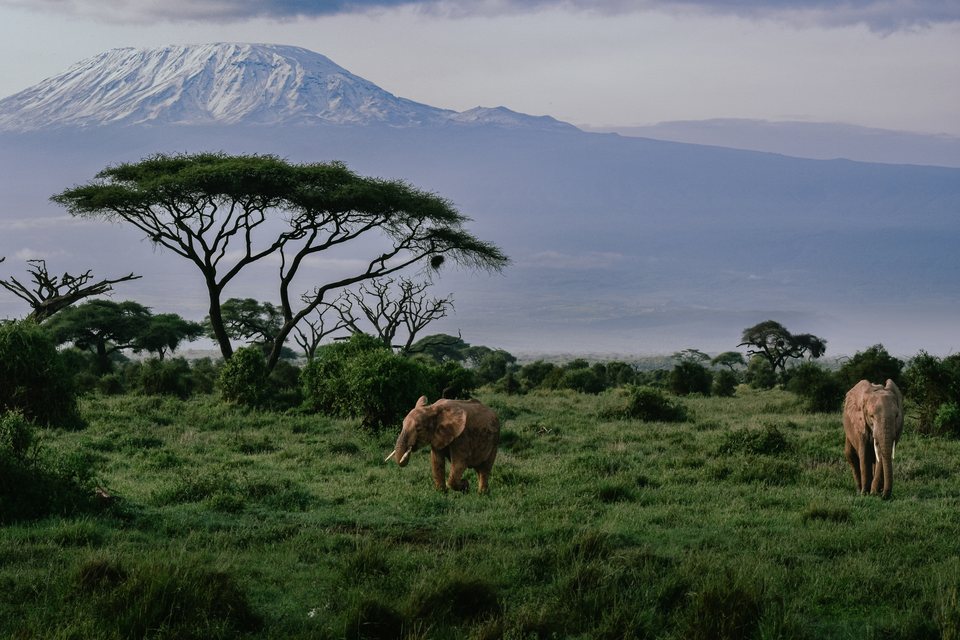
It is the first question we are asked before every trip: when is the best time for a safari? The good news is that in East Africa, the animals are there all year round, so there is no bad season. Each month brings its own light, landscapes and mood, and above all, busier or quieter parks. At The Wild Agency, we choose the timing with you, based on what you dream of seeing.
What is the best season for a safari?
Close to the equator, the weather is mild all year and the animals do not leave: lions, elephants, giraffes and zebras can be seen in every season. What the rains change is the scenery, the state of the tracks and the number of visitors. The right time therefore depends mostly on what you want to see, your dates and your budget.
June to September, the dry season
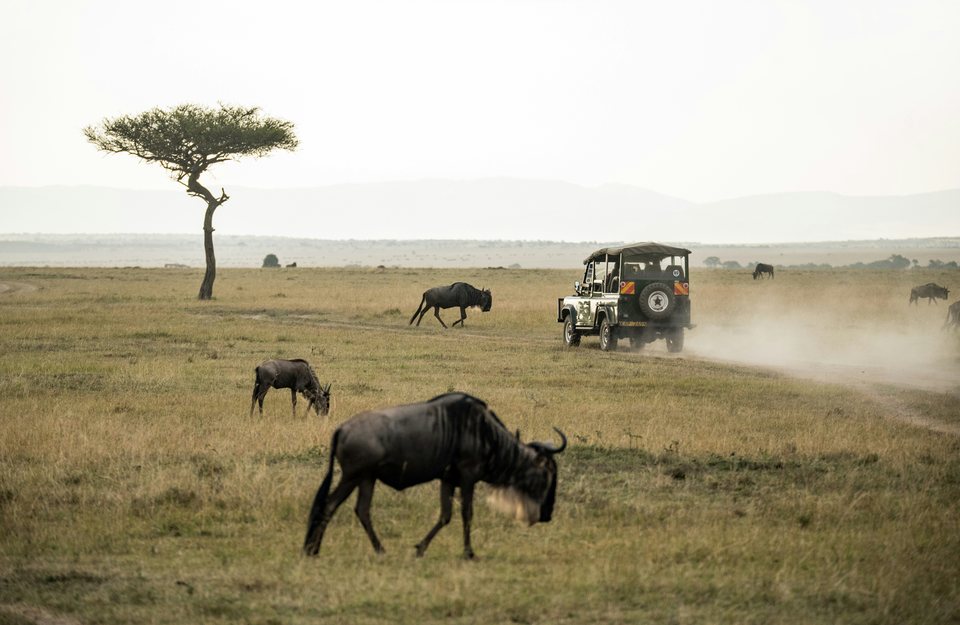
The grass is short and water becomes scarce, so the animals gather around the rivers and the tracks are easy to drive. It is also the busiest period. During the Great Migration, from July to October, there are many more travellers and vehicles in the parks, and the best lodges are booked up quickly.
October and November, the short rains
The short rains arrive, much lighter and briefer than in April and May: a few showers, often late in the day, between long sunny spells. The animals are still there and the savannah starts to turn green again. In October, the migration is still in the Masai Mara before heading back to Tanzania.
December to March, the green savannah
After the short rains, everything turns green. The light is soft and the skies are spectacular: a magical time for photography. It is also calving season for the wildebeest in the southern Serengeti. Lion cubs and young leopards, on the other hand, are born all year round.
April and May, the long rains
It rains more, often late in the day. Some lodges close, but those that stay open lower their prices, and you have the savannah almost to yourself.
What about the Great Migration and the gorillas?
Some encounters follow their own calendar. The Great Migration moves in a loop between the Serengeti and the Masai Mara: calving from December to March, peaking in February, then the herds in the Masai Mara from July to October, with the Mara River crossings. It deserves an article of its own.
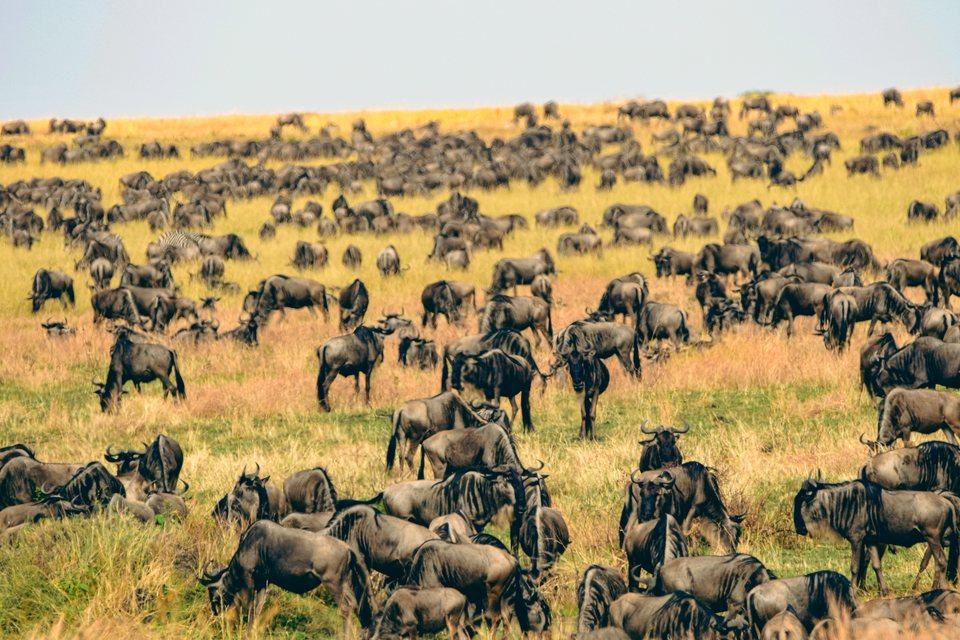 Related readingGreat Migration: where to see it month by monthRead the article
Mountain gorillas can be visited all year round in Uganda and Rwanda, although in the forest a shower can come at any time. We explain how to choose between the 2 countries.
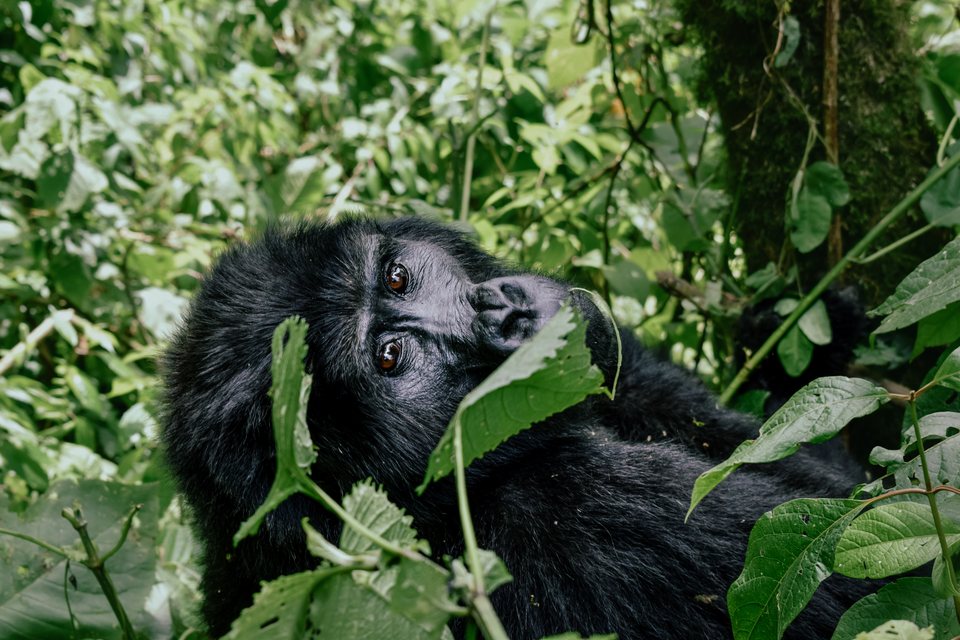 Related readingGorilla trekking: Uganda or Rwanda?Read the article
In short, there is no single right time, only yours: the one that matches what you want to see, your dates and your budget.
Frequently asked questions about the best time for a safari
What is the best time for a first safari?
There is no single answer: wildlife can be seen all year round. From June to September the tracks are easy but the parks are busier. From December to March the savannah is green and quieter, except over the Christmas holidays. Choose according to your dates and what you want to experience.
Can you go on safari during the rainy season?
Yes. It mostly rains late in the day, nature is stunning and prices drop. The short rains of October and November are much lighter than the long rains of April and May, when some lodges close.
How far in advance should you book?
9 to 12 months for the high season and the holidays, 4 to 6 months the rest of the year.
Does The Wild Agency organise safaris all year round?
Yes. The Wild Agency organises safaris all year round in Kenya, Tanzania, Uganda and Rwanda, choosing the areas and lodges that suit the season.