A few words of Swahili are enough to change a trip: a "mambo" to your guide in the morning, an "asante sana" at the lodge, and the smiles come straight away. Swahili, or Kiswahili, is the great language of East Africa, spoken by more than 100 million people. At The Wild Agency, we always encourage our travellers to learn a few words before they leave.
In Swahili, "safari" does not mean "watching animals", it simply means "journey". So people say "safari njema" to wish you "a good trip".
Which Swahili words should you know for a safari?
There is no need to be fluent: your guides and the lodge teams speak English, often very well. But a few words of Swahili always go down well.
Greeting and replying
| You hear | You reply | In English |
|---|---|---|
| Jambo | Jambo | Hello / Hello |
| Mambo? | Poa | What's up? / Cool |
| Habari? | Nzuri | How are you? / Fine |
| Habari ya leo? | Nzuri sana | How's your day going? / Very good |
| Uko sawa? | Niko sawa | Are you OK? / I'm OK |
"Jambo" is the word every visitor knows, and it quickly sounds very touristy. In Kenya, people are more likely to greet you with "Mambo?", to which you reply "Poa". Try it with your guide: it works every time.
Everyday words
| Swahili | English |
|---|---|
| Karibu | Welcome |
| Asante (sana) | Thank you (very much) |
| Tafadhali | Please |
| Ndiyo / Hapana | Yes / No |
| Pole pole | Slowly |
| Hakuna shida | No problem |
| Lala salama | Good night |
| Kwaheri | Goodbye |
"Pole pole" is probably the expression you will hear the most: it is the spirit of safari, taking your time and letting the animals come to you.
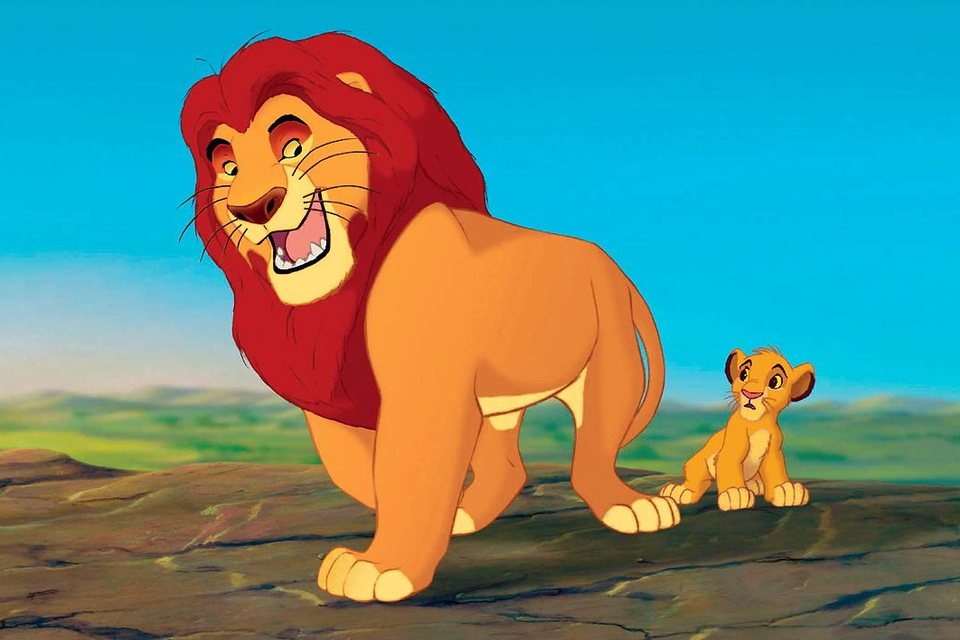
And "hakuna matata"? The expression really is Swahili, but you rarely hear it in everyday life. It was made popular by the song "Jambo Bwana" in the 1980s, then by The Lion King, and is mostly a phrase for visitors. Locally, people tend to say "hakuna shida": no problem.
The animals in Swahili
Your guide will teach you these quickly, as you hear them over the radio between vehicles. Here are the Big Five and a few other favourites.
| Swahili | English |
|---|---|
| Simba | Lion |
| Chui | Leopard |
| Tembo | Elephant |
| Nyati | Buffalo |
| Kifaru | Rhino |
| Duma | Cheetah |
| Twiga | Giraffe |
| Pundamilia | Zebra |
How do you pronounce Swahili?
Good news: Swahili is read the way it is written. Every letter is pronounced, "u" sounds like the "oo" in "food" and "e" like the "e" in "bed". The stress almost always falls on the second-to-last syllable: a-SAN-te, ka-REE-bu.
Where does Swahili culture come from?
A language born of trade
Swahili is a Bantu language that emerged on the East African coast. Its name comes from the Arabic "sawahil", meaning "the coasts". For centuries, merchants from Arabia, Persia and India crossed the Indian Ocean in dhows, carried by the monsoon winds. These exchanges enriched the language with many Arabic words, such as "safari", from the Arabic "safar", journey.
The cities of the Swahili coast
From Somalia to Mozambique, trading cities grew up around the trade in gold, ivory and spices: Kilwa, Mombasa, Malindi, Lamu and Zanzibar. Several are now UNESCO World Heritage Sites, such as Stone Town in Zanzibar, Lamu Old Town in Kenya and the ruins of Kilwa Kisiwani in Tanzania. You can still admire their coral-stone houses and famous carved wooden doors.
From a coastal language to the language of a continent
Swahili was long written in the Arabic alphabet, before switching to the Latin alphabet in the 19th century. With the trade caravans, it spread inland as far as the Great Lakes. After independence, Julius Nyerere's Tanzania made it the national language. Today, it is an official language in Kenya, Tanzania, Uganda and Rwanda, and one of the languages of the African Union. Since 2022, World Kiswahili Language Day has been celebrated every 7 July.
The same Swahili in Kenya and Tanzania?
Not quite. In Tanzania, Swahili is spoken everywhere and stays close to its classic form: this is where you hear the "purest" Swahili. In Kenya, it mixes more with English and the country's other languages, with words of its own. This mix even has a name: Sheng.
Sheng, a blend of "Swahili" and "English", is a slang born in the neighbourhoods of Nairobi. Its grammar remains Swahili, but its vocabulary draws on English and Kenya's other languages, and is constantly being renewed. Widely spoken by young people, it can now be heard in matatus, Nairobi's colourful minibuses, on the radio and in music. One example: instead of the classic "Habari?", you are more likely to hear "Niaje?", to which you reply "Poa" ("cool").
Do not worry: the words in this article are understood in both countries.
 Related readingSafari and Zanzibar: how many days do you need?Read the article
 Related readingThe Lion King: the Kenya that inspired the filmRead the article
A few words are enough to make a connection: your hosts always appreciate it. So before you leave, slip a little "asante" in your pocket, and the journey has already begun.
Frequently asked questions about Swahili
Do you need to speak Swahili to go on safari?
No. Guides and lodge teams speak English. A few words of Swahili are still a lovely gesture, always appreciated.
Do people really say "hakuna matata" in East Africa?
Rarely. The expression really is Swahili ("no worries"), but it is mostly a phrase for visitors. In everyday life, people tend to say "hakuna shida".
What does the word "safari" mean?
"Journey", in Swahili. The word comes from the Arabic "safar".
Is Swahili hard to learn?
Not the first few words: it is pronounced the way it is written, and the greetings can be learnt in a few minutes.
Can The Wild Agency help me prepare my trip?
Yes. The Wild Agency is with you before departure, with practical advice and a few useful words to make the most of your safari.